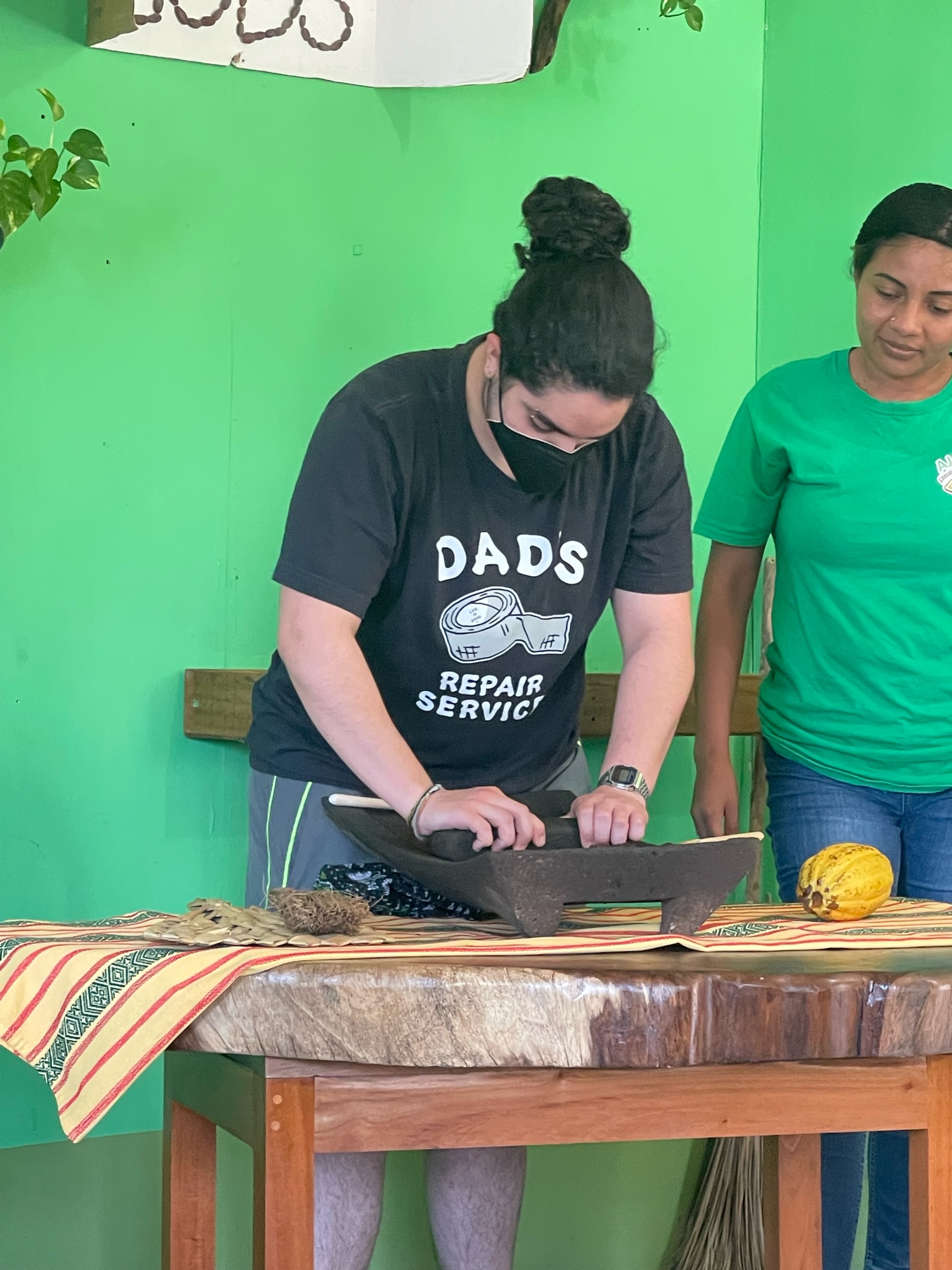
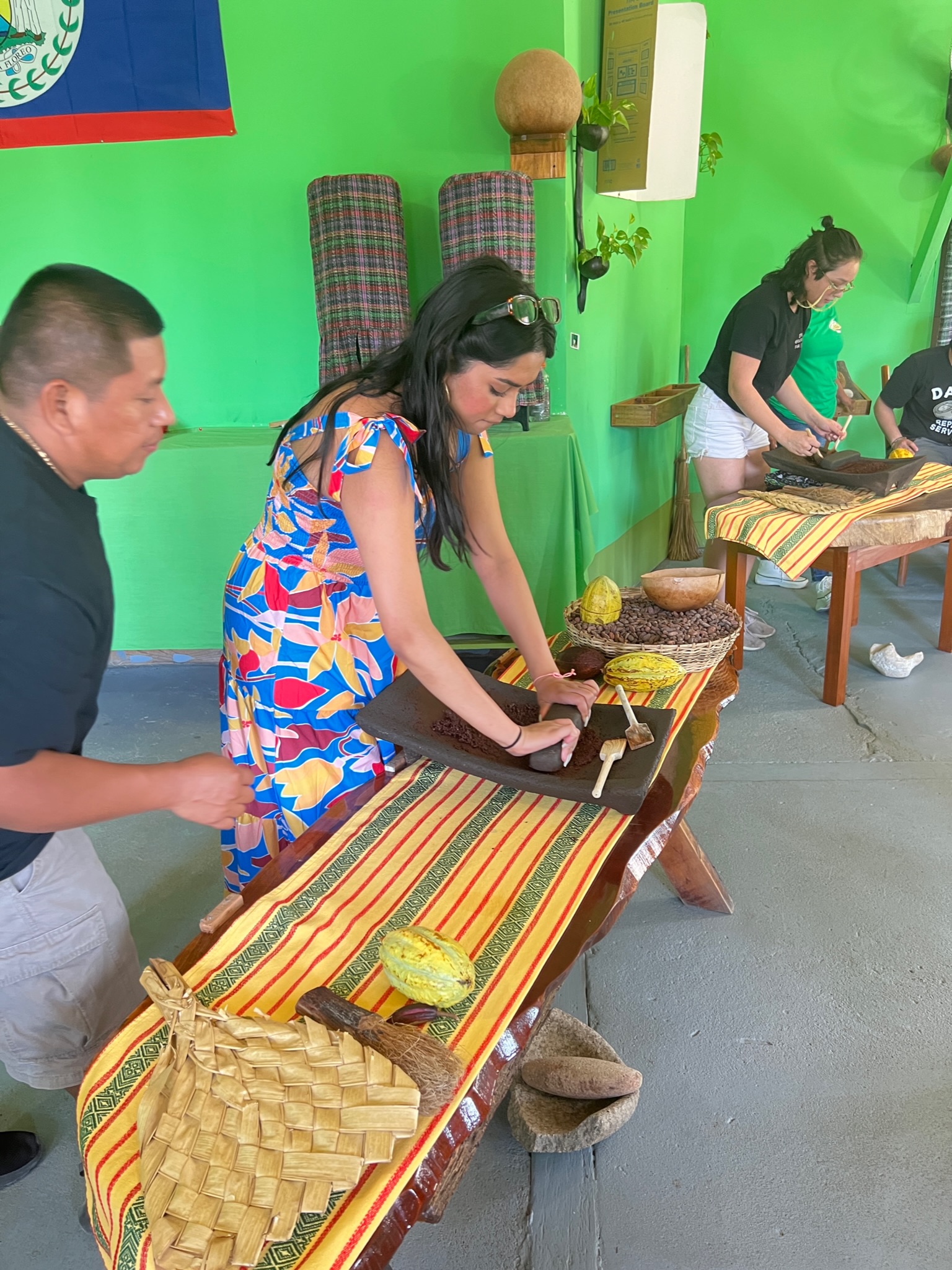
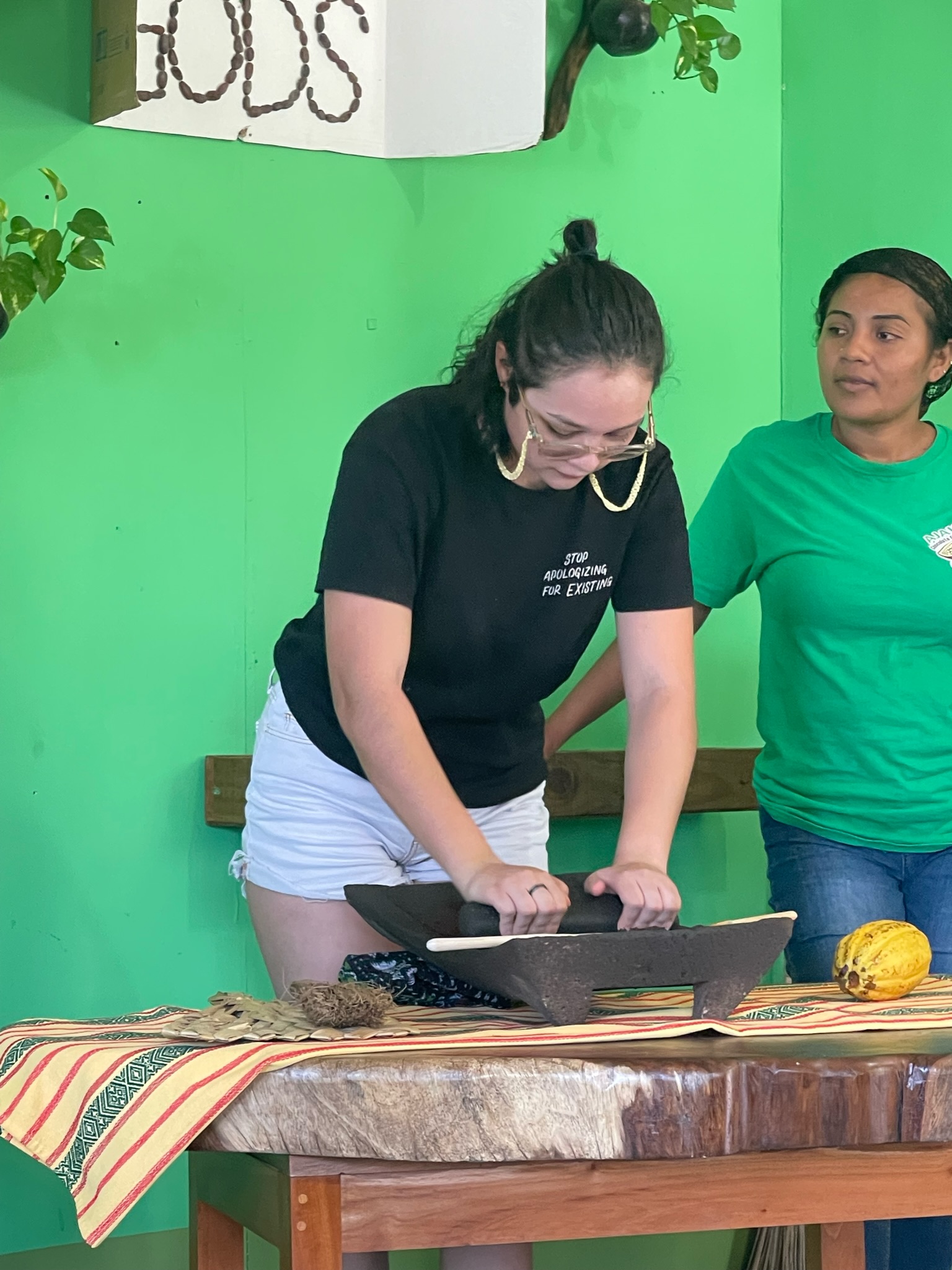
On our fourth day, we went to a chocolate-making workshop where we got the experience to know what Mayan chocolate is and how important it was to Mayan culture. We first had a look at the breakdown of what the cacao plant was made of. The main ingredient used to make chocolate is the cocoa bean which is the seed inside the cacao plant. That seed would then be ground into a paste, mixed with water, and served as a chocolate drink. This chocolate drink is significant for their identity as it is used for special occasions.
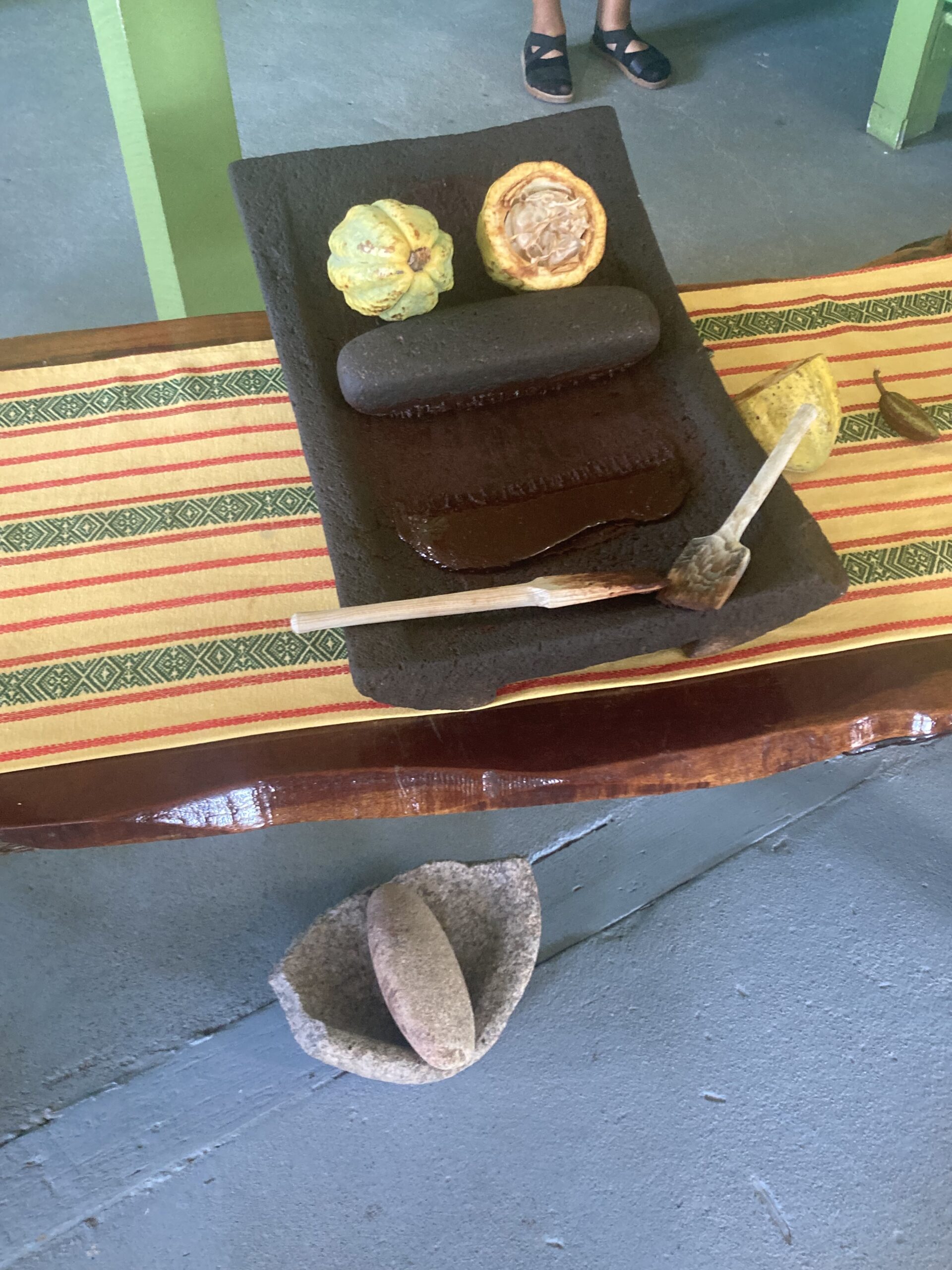
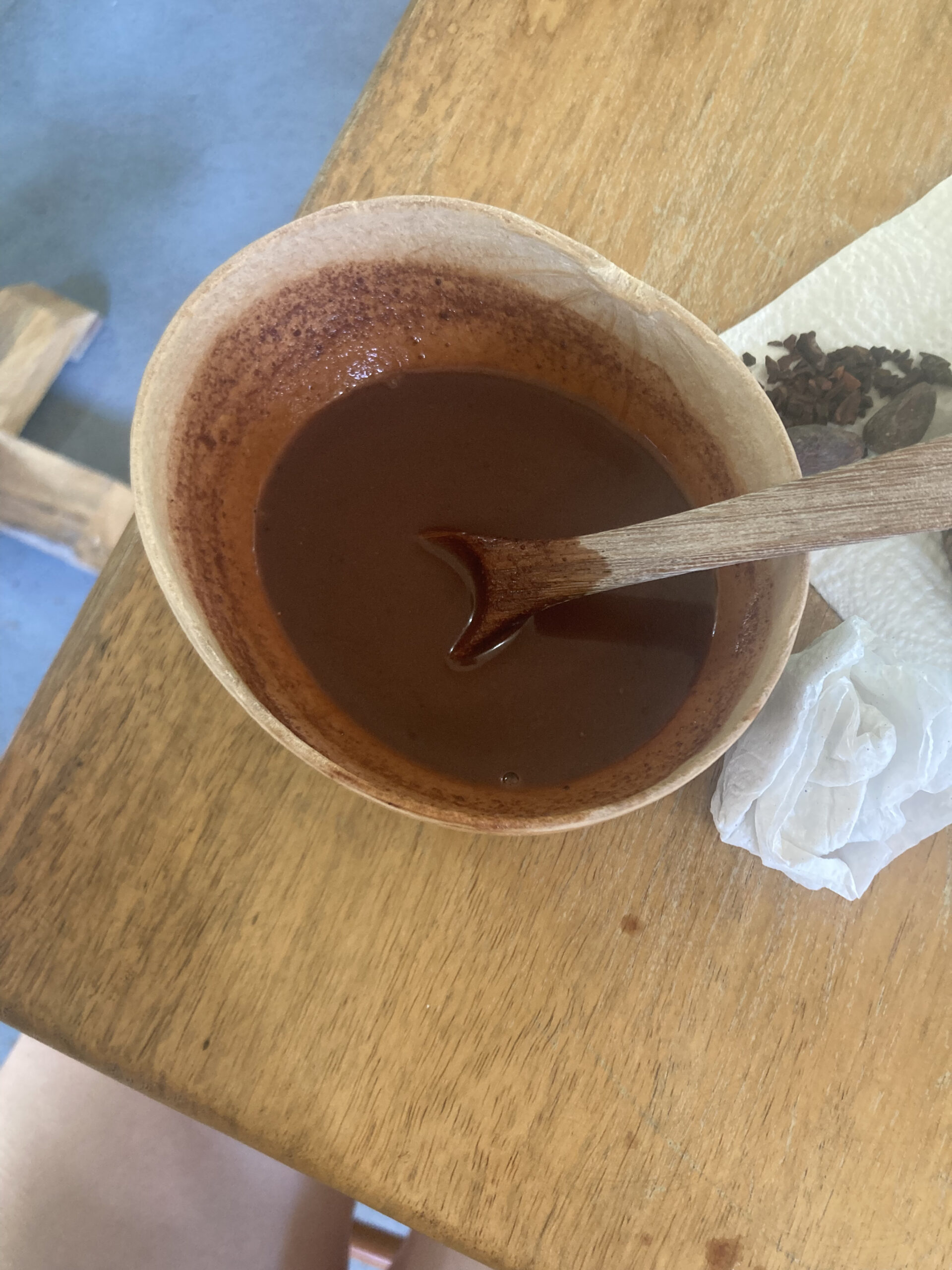
The one aspect that people don’t realize when talking about chocolate coming from Mayans is that it is extremely bitter. The original way of making chocolate is to not add sugar. Instead, other spices like cinnamon, anise, chili, etc are added. Milk is also not added to making Mayan chocolate as the Mayans are lactose intolerant. Mayans like having their chocolate straight from the plant, some even eat cocoa beans. Our chocolate instructor mentioned how their chocolate bars are only made with 3 ingredients. Cacao, cocoa butter, and cane sugar.
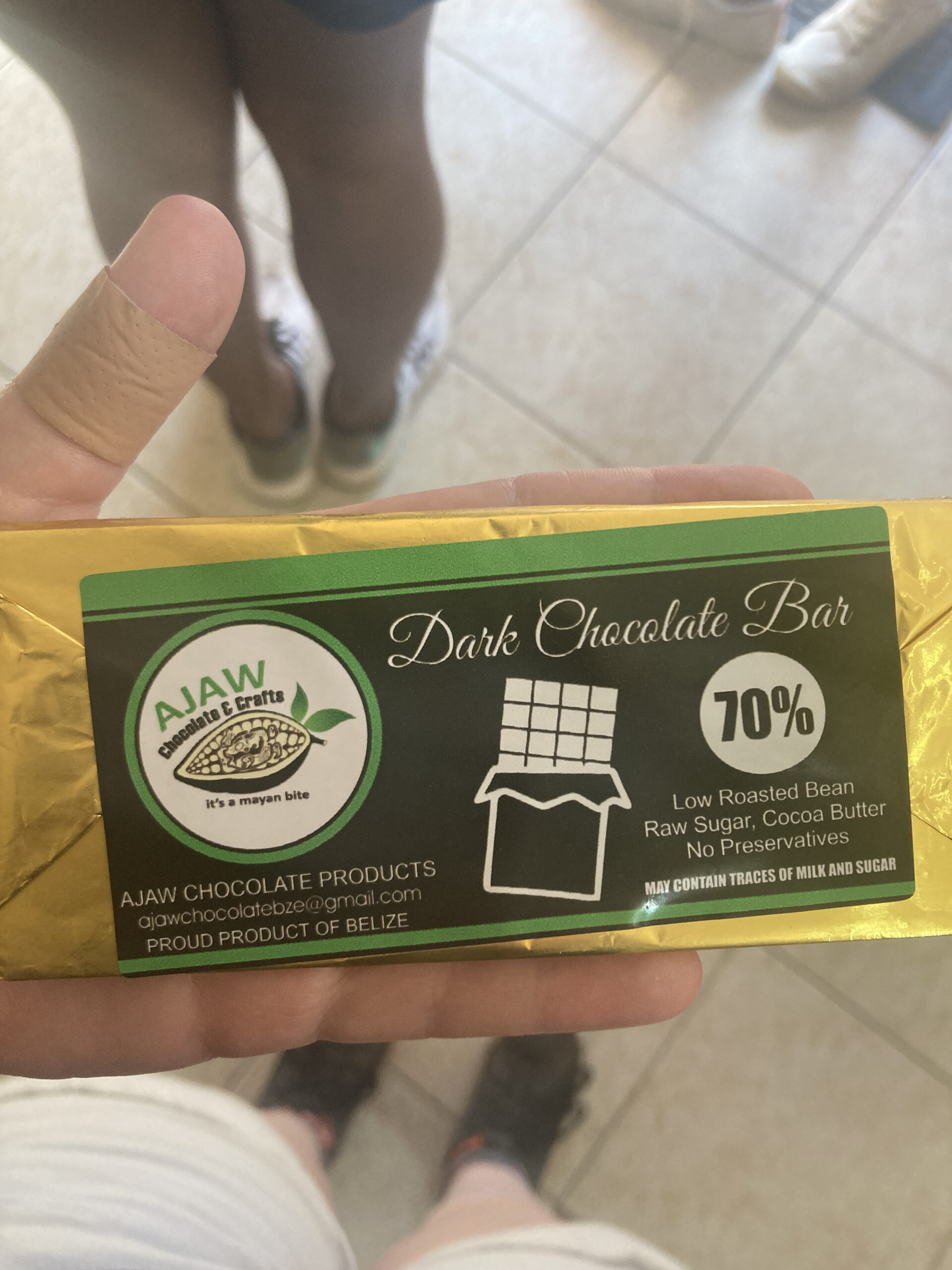
Now you see I mentioned they didn’t add sugar to their chocolate to keep its richness. Due to the influx of tourists and Western influence, they are having to sweeten their chocolate to please international individuals. They are having to go against what they believe to be something deeply rooted in their culture to please Westerners. He even made a joke saying that in a few years, they will have to start making milk chocolate.
There was a bit of sadness to that, or at least that was how I interpreted the “joke.” This is his life and it’s essentially important to his Mayan culture. To think that globalization and the influence of other countries would impact his culture this much makes me wonder how long will it take before they completely have to stop making their traditional chocolate. It reminded me of the things we read in class to prepare for our journey. The topics talked about in our readings heavily discussed colonization, globalism, and identity. In the film, The Last Tourist, tourism had been unintentionally destroying the environment they came to see. The locals that do live there barely get any of the benefits that tourism offers. A lot of the money tourists spend in these destinations goes to tourist companies and businesses connected with the tourist industry.
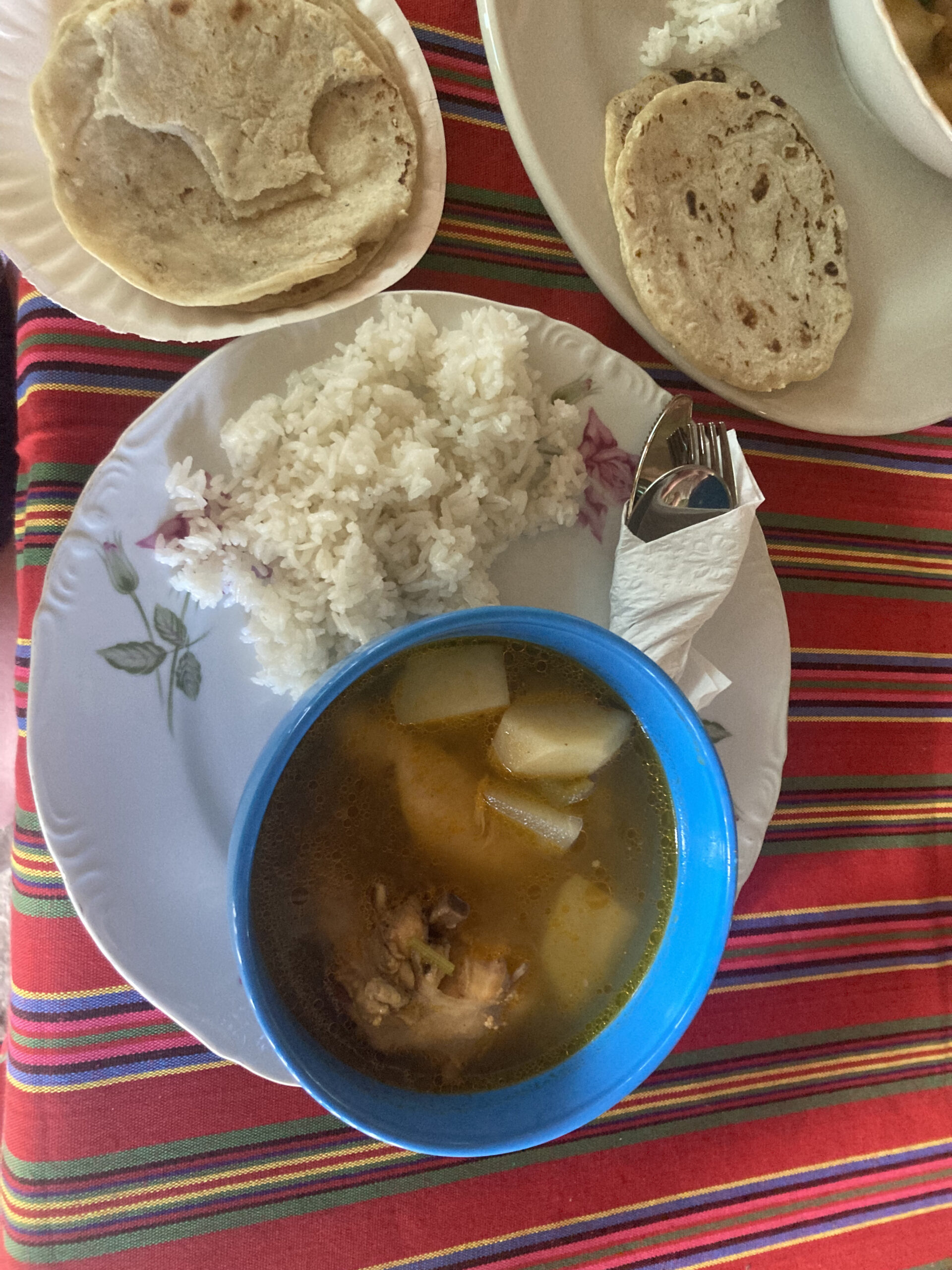
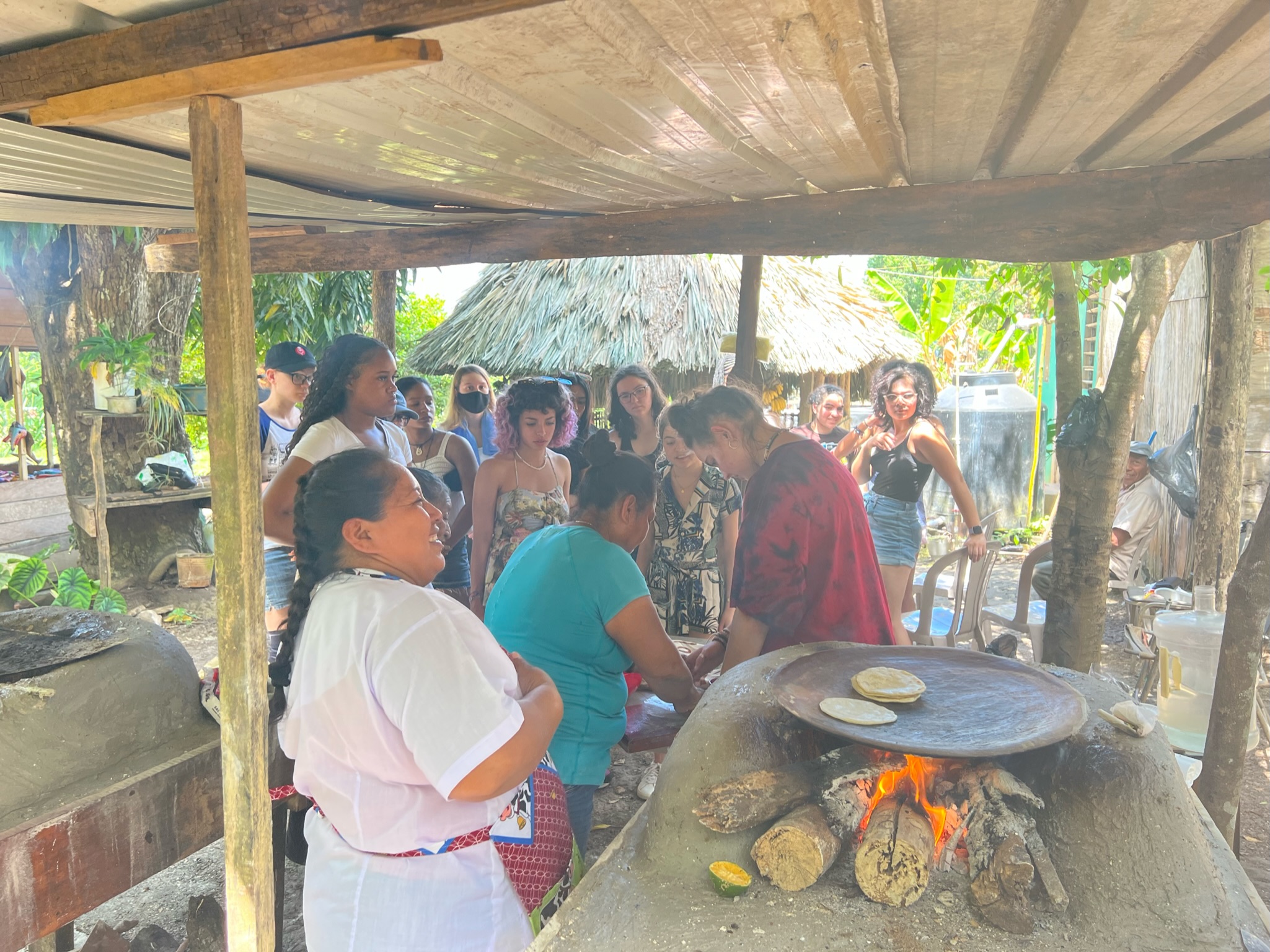
Upon day 5, our Xunantunich tour guide, Joseph, took my group and me to a traditional tortilla-making class with Mayan ladies. When we first arrived they showed us where they cooked the tortillas and how they shaped them. Tortilla-making is an important part of their culture and identity as much of the food they eat involves tortillas.
This experience reminded me of my own family. When I talked about the Garifuna and how we put in all of our efforts in making Hudut, it reminded me of my own family. Tortilla making is a lot similar to what my family and I make. It was really nostalgic to see as it brought back how my siblings would help my mother make tacos, tamales, Spanish rice, etc. My little sibling was especially good at making the taco dough by hand. Everyone cooking in the kitchen also reminded me how all of the recipes we have came from my grandmother and my great-grandparents. This process was also similar to how older generations in the Mayan and Garifuna community would pass down recipes and cooking techniques to newer generations.
One particular dish I ate while I was there was chicken soup. Inside the soup was chicken, potato, chicken broth, and different spices. They also had pork that could be added to the tortillas we made earlier. One of the women also mentioned the process of fermenting the mean (mainly pork) before using it in any of the dishes they made. This process usually takes a few days and it’s another aspect of their culture and identity.
Another part of visiting these Mayan ladies was that they had a small business where they sold homemade jewelry and dolls. I noticed a lot of the selling of homemade goods throughout Belize. This was most prominent within the areas where the Mayan community resided most. These stalls were there because a lot of the Belizeans don’t earn enough to sustain themselves. One man I came across after our Xunantunich tour was selling pictures of different animals made from deceased butterfly wings. He mentioned that his son made them and everything he makes would go to his son’s education. It just goes to show that although tourism brings in money, it doesn’t necessarily always go to the individuals and families that need that money.
To conclude, this experience has been unforgettable. I learned a lot about other cultures as well as myself. I was able to eat food that had important cultural meaning to the communities that offered to share it. I was also able to take back the impacts globalization such as international influence, economic travel, and tourism had on a country like Belize. I was very appreciative to be on this experience and I felt I could make deeper connections with myself and with the communities we interacted with.
